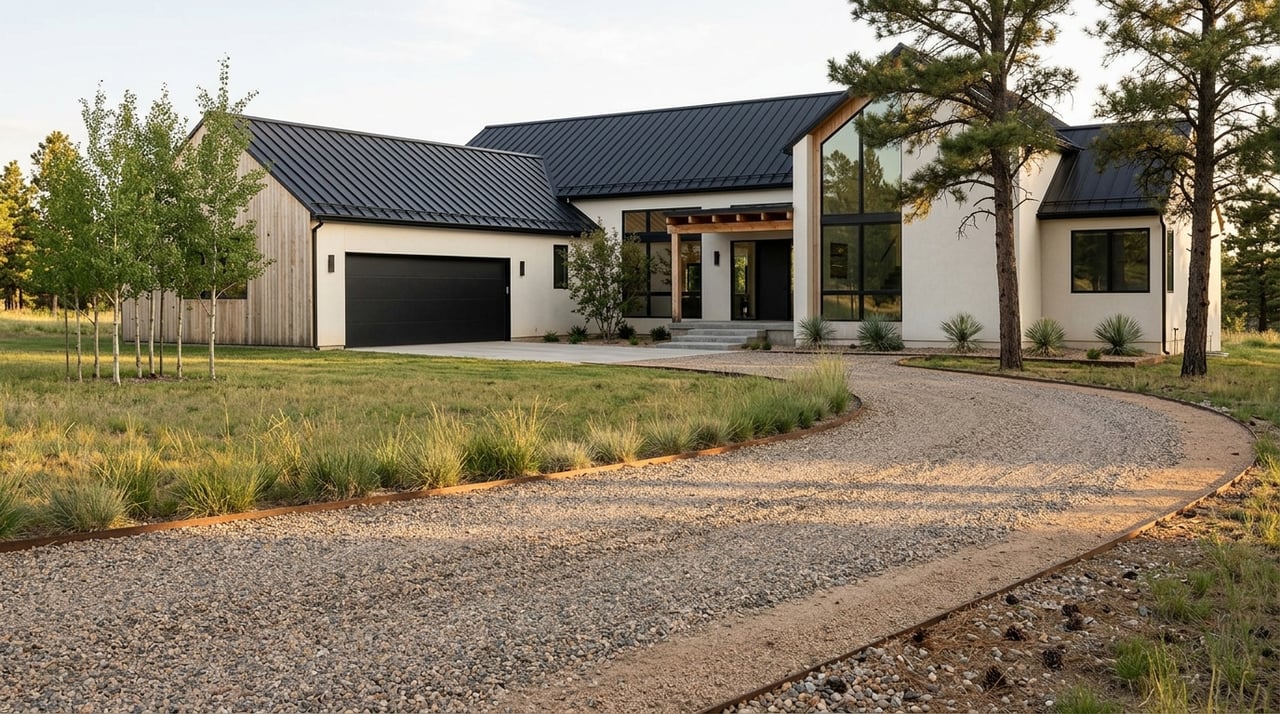
Wondering if acreage living in Parker means peaceful elbow room or a long list of extra chores? The honest answer is that it can be both. If you are dreaming about more land, fewer nearby neighbors, and a little breathing room without feeling cut off from daily conveniences, Parker offers a version of acreage living that sits right between suburb and rural county life. Let’s dive in.
Parker acreage feels like a middle ground
Acreage living in Parker is not the same as moving deep into a remote rural area. Parker sits about 20 miles southeast of Denver, and the area includes both town-edge large-lot neighborhoods and nearby unincorporated Douglas County land. That mix gives you a lifestyle that feels more open and private than a typical suburban subdivision, while still keeping you close to shopping, recreation, and commuter routes.
That middle-ground feel matters when you start looking at homes. Some properties are inside the Town of Parker, where zoning includes Agricultural and Large-Lot Residential districts. Others may have a Parker mailing address but actually sit in unincorporated Douglas County, which can affect everything from utilities to land-use rules.
Daily life feels quieter and more spread out
One of the biggest reasons people look for acreage near Parker is simple: space. You often get more separation from neighbors, less density, and a quieter nighttime setting. Douglas County also notes that many residents value the privacy and seclusion of vegetated property, and it encourages shielded exterior lighting to help preserve darker skies.
That extra space changes how home feels day to day. Your property is not just where the house sits. The land becomes part of your routine, your views, and your maintenance list.
Your lot becomes part of your lifestyle
On acreage, you are not only managing a home. You are often managing driveways, open land, fencing, vegetation, and sometimes animal-related needs. That can be exactly what you want if you enjoy room to spread out and a more hands-on ownership experience.
It also means acreage living is usually more active than passive. Douglas County points out that owners may need to handle things like weed control, erosion concerns, manure management, and permit review for grading or berms. In other words, land ownership brings freedom, but it also brings responsibility.
Horses and hobby uses need a closer look
A lot of buyers assume acreage automatically means horses, outbuildings, or flexible rural use. Around Parker, that is not something you should assume. Douglas County ties animal allowances to parcel size and zoning, and it draws a clear line between personal horse ownership and commercial horse boarding.
If you are thinking about horses or a home-based rural use, check the rules before you fall in love with a property. Some uses that feel normal on acreage may still require formal review or approval. This is one of the biggest differences between dreaming about acreage and owning the right acreage.
The biggest trade-offs are behind the scenes
The reality of acreage living in Parker is often shaped less by the house itself and more by the systems that support it. Water, septic, utility access, and road maintenance can have a bigger impact on your daily experience and monthly costs than buyers expect.
This is where acreage living starts to separate itself from standard suburban ownership. In many cases, things are simply less plug-and-play.
Water may come from a well
Douglas County says it does not provide water service to residents, so many rural properties rely on domestic wells permitted through the state. Some exempt wells on 35-acre parcels may allow household use, animal watering, and up to 1 acre of irrigation, while many permits are limited to household use only.
That means water use can vary significantly from property to property. If you want gardens, animals, or expanded outdoor use, you need to verify what the well permit actually allows instead of assuming the acreage gives you broad water rights.
Septic is often part of the package
Many acreage properties in rural county settings rely on septic systems rather than municipal sewer. Douglas County requires county health permits for septic systems and notes that regular pumping is part of ongoing ownership.
For buyers, this is less about fear and more about clarity. A properly permitted and maintained system can work well, but you want to understand its condition, service history, and requirements before you buy.
Utilities may be less convenient
In-town living usually makes utilities feel invisible. Acreage living can bring them back into focus. Douglas County notes that extending electricity can be expensive, natural gas may not be available, and some properties rely on propane delivery.
Internet and cell service can also be less consistent in rural parts of Douglas County. If you work from home, stream often, or need dependable connectivity, that should be part of your property search from day one.
Access and maintenance are part of the cost
Acreage homes can look perfect online, but access is one of the details that really shapes daily life. Douglas County warns that private roads, access easements, and driveway design can influence where a home sits and how much maintenance or snow-plowing cost you take on.
This is where hidden costs often show up. Gravel road upkeep, dust control, snow removal, and general wear on long driveways can become recurring parts of ownership. For some buyers, that is a fair trade for privacy. For others, it can feel like more work than expected.
Wildfire planning is part of acreage ownership
If you are buying land around Parker, you should think beyond the house lines. Douglas County says defensible-space requirements may apply in wildfire hazard areas, and emergency response times can be slower in some rural parts of the county.
That does not mean acreage living is a bad fit. It means you want to go in with open eyes. Land, trees, and open space are a big part of the appeal, but they also come with planning and maintenance needs tied to safety.
Commuting is manageable, but still car-first
One reason Parker acreage appeals to so many buyers is that it does not feel fully remote. Parker’s road network gives drivers useful regional access, especially through Parker Road and E-470. E-470 runs 47 miles along the eastern side of metro Denver, which can make access to the south and east side of the metro easier, though toll costs are part of the equation.
For most acreage owners, daily life still revolves around a personal vehicle. Public transit exists in much of Parker, including FlexRide, Route PD to downtown Denver, Route 483 connections, Access-a-Ride, and park-and-ride options. A free Link On Demand rideshare service also began in select Parker areas in April 2026, connecting Parker with Lone Tree and Highlands Ranch, but acreage living is still best understood as a drive-first lifestyle.
School transportation may be less direct
For households planning ahead, transportation details matter. Douglas County notes that school buses typically travel only on maintained county roads designated as bus routes. That means some children may need to be driven to a bus stop rather than picked up at the end of a private driveway.
It is a small detail, but it is exactly the kind of daily rhythm change that can come with acreage living.
Parker keeps acreage from feeling isolated
What makes Parker different from a more remote rural market is the amenity base nearby. The town maintains 41 miles of trails, 14 parks, and 1,144 acres of open space. That includes a Parker Equestrian Trail and equestrian facility rentals, which helps support an outdoor lifestyle without requiring total isolation.
Parker also offers the kind of everyday convenience many acreage buyers still want. The recreation center includes an indoor pool, gym, child care, and broad operating hours, while the PACE Center adds arts and events in downtown Parker. You can live with more land and still stay close to parks, recreation, and community amenities.
Acreage works best for a specific kind of buyer
Parker acreage tends to fit buyers who want more land, more privacy, and a home that feels a little more independent. It often works well if you are comfortable with a self-managed property and you value space enough to take on more upkeep.
It is usually less ideal if you want a low-maintenance home, highly predictable utility service, or a transit-heavy routine. The lifestyle can be rewarding, but it helps to love the reality of land ownership, not just the idea of it.
What to verify before you buy
If you are seriously considering acreage in Parker, a careful property review matters. Small differences between properties can have a big effect on cost, use, and convenience.
Here are some of the most important items to verify:
- Whether the property is inside the Town of Parker or in unincorporated Douglas County
- Zoning and allowed land uses
- Well permit details and water-use limits
- Septic permit status and maintenance history
- Utility availability, including natural gas, propane, internet, and cell service
- Road responsibility, access easements, and snow-removal expectations
- Animal allowances based on parcel size and zoning
- Any covenants that restrict future uses
- Wildfire mitigation or defensible-space requirements
- Tax treatment based on actual property use
This is where experienced local guidance can save you time and frustration. Two acreage homes may look similar on paper and live very differently in practice.
If you are weighing acreage in Parker, the goal is not just to find a beautiful property. It is to find the kind of property that matches how you actually want to live, commute, maintain, and use the land over time.
When you want clear, local guidance on Parker acreage, the Billy Van Heusen Team can help you evaluate the details that matter and move forward with confidence.
FAQs
What does acreage living in Parker feel like day to day?
- It typically feels quieter, more private, and more spread out than standard suburban living, while still keeping you reasonably close to Parker amenities and major commuter roads.
Are Parker acreage homes always inside the Town of Parker?
- No. Some properties have a Parker mailing address but are actually located in unincorporated Douglas County, which can change rules, services, and property expectations.
Do acreage properties in Parker usually have wells and septic?
- Many rural acreage properties do, but you should verify well permits, water-use allowances, septic permits, and maintenance history for each specific property.
Can you have horses on any acreage property in Parker?
- No. Animal use depends on parcel size, zoning, and local rules, and commercial horse boarding is treated differently from personal horse ownership.
Is Parker acreage living convenient for commuting?
- It can be convenient for drivers because Parker has access to major roads like Parker Road and E-470, but it is generally a car-first lifestyle and toll costs may be part of the commute.
What extra costs should buyers expect with Parker acreage?
- Common added costs can include road maintenance, snow removal, dust control, utility extension, propane, weed management, manure handling, and wildfire mitigation.
Is Parker acreage living a good fit for remote work?
- It can be, but you should confirm internet and cell service early because Douglas County notes that service can be limited in some rural areas.