Choosing between an older or newer neighborhood in Parker can feel like choosing between character and convenience. If you are trying to decide where you will feel most at home, the answer often comes down to how you want to live day to day, not just the age of the house. In Parker, both options offer real advantages, and understanding the difference can help you narrow your search with more confidence. Let’s dive in.
Why Parker Neighborhoods Feel So Different
Parker has grown quickly over the last few decades. The town traces its history back to 1862, became a municipality in 1981, and has expanded to 22.4 square miles with about 72,147 residents as of January 1, 2026.
That growth helps explain why neighborhoods can feel very different from one another. Some areas reflect earlier development patterns with more varied home placement and mature surroundings, while newer communities often follow updated planning standards that focus on connected trails, open space, and a more coordinated streetscape.
Parker’s planning approach also shapes the experience of living here. The town highlights high-quality building design, open space, and pedestrian and bicycle connectivity, and it maintains more than 398 acres of Town-owned and proposed parkland, 41 miles of trails, 14 parks, and 1,144 acres of open space throughout Parker.
Older Parker Neighborhoods: More Character and Variation
When buyers picture an older Parker neighborhood, The Pinery is one of the clearest examples. Development there began in 1971, and the neighborhood still reflects an earlier style of growth that feels more terrain-driven and less uniform than many newer master-planned communities.
One of the biggest draws is variety. The Pinery HOA describes about 1,800 homes, each unique, with some set on hills and others tucked into groves of aspens or pine trees. That creates a more individualized feel than you may find in areas where homes were built in larger, more coordinated phases.
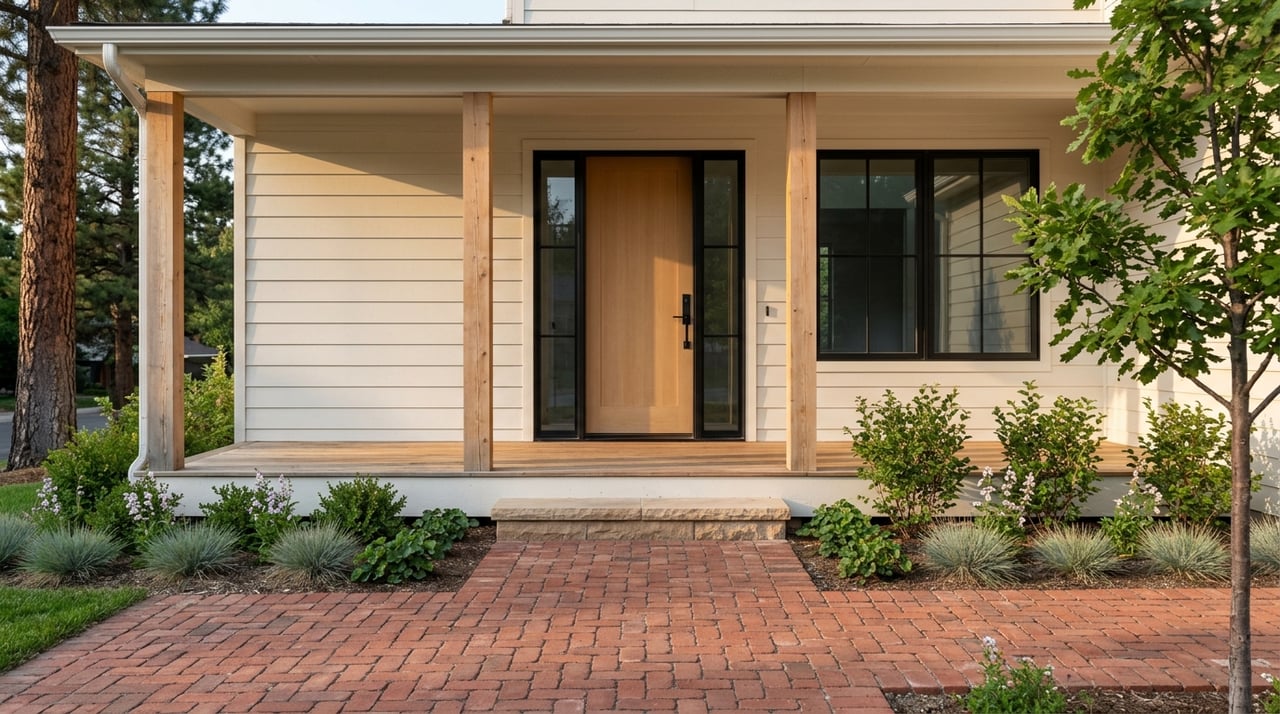
Older neighborhoods often appeal to buyers who want a setting that feels established. In Parker, that can mean mature landscaping, a more custom feel, and homesites that respond more closely to the land itself.
What You May Notice in Older Areas
If you tour older neighborhoods in Parker, you may notice a few common themes:
- More variation in home style and placement
- Mature trees and established landscaping
- Hillside, wooded, or tucked-away settings
- Established HOA structures and covenants
- A stronger sense of individuality from one home to the next
These are broad patterns, not rules for every address. Still, they can be helpful if you are trying to match a neighborhood to your lifestyle.
Amenities in Older Neighborhoods
Older neighborhoods do not always mean fewer amenities. In The Pinery, the HOA maintains North Park, Lakeshore Park, and Pinery Nature Park. The area also connects to trails including the Pinery Loop Trail and the Cherry Creek Regional Trail.
Nearby public parkland at Bingham Lake supports fishing, hiking, biking, and picnicking. The Pinery area also includes private-club options such as The Pinery Country Club, which offers golf, dining, racquet sports, and other member amenities.
That mix can create a different lifestyle feel. Instead of one central master-planned amenity package, older neighborhoods may offer a blend of natural surroundings, HOA-managed spaces, trail access, and optional private amenities.
Newer Parker Neighborhoods: More Planning and Shared Amenities
If older neighborhoods often feel organic, newer Parker neighborhoods tend to feel more intentionally planned. Tanterra is a strong example of this newer pattern.
The community is planned for 3,300 homes across 1,200 acres. It includes open space corridors, trails, 286 acres of open space, 50 acres of neighborhood parks, a 30-acre Trailhead Park, and a central amenity package with a clubhouse, pool, playground, and sports courts.
For many buyers, that kind of structure is a major plus. Newer neighborhoods often make it easier to picture how the community will function because amenities, open space, and circulation are built into the plan from the start.
What You May Notice in Newer Areas
Newer Parker neighborhoods often stand out for features like:
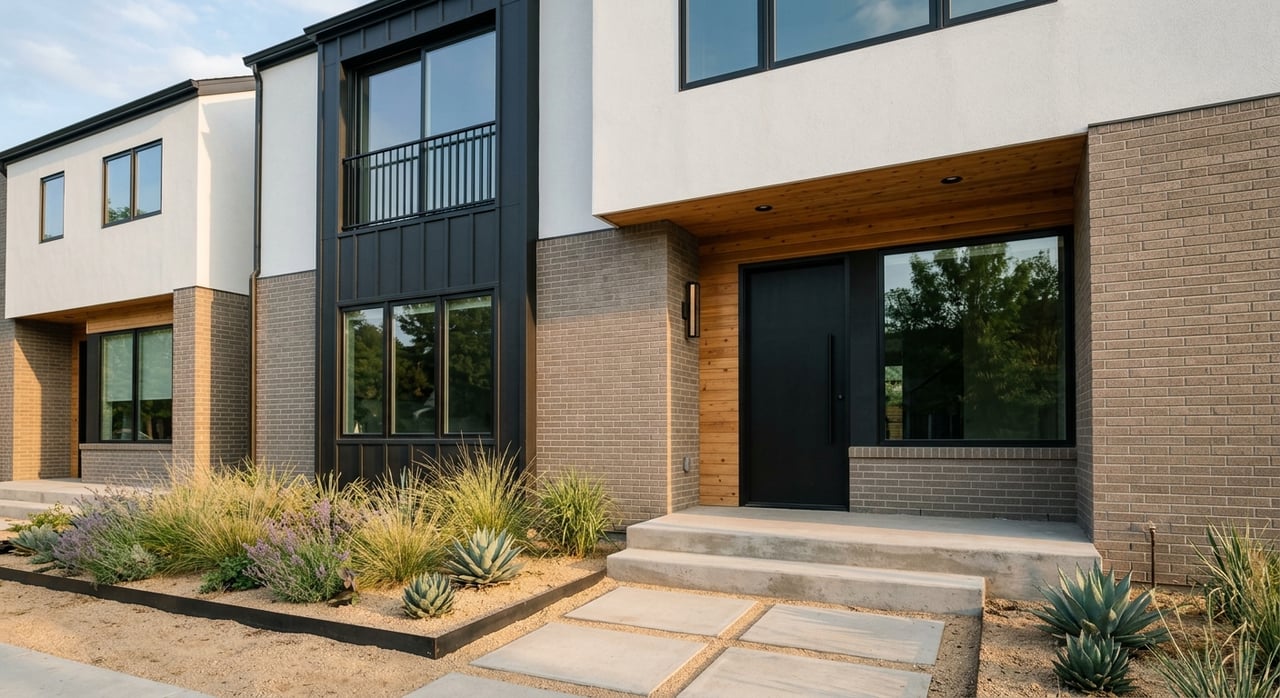
- More consistent streetscapes
- Shared community amenities
- Strong trail and open space connections
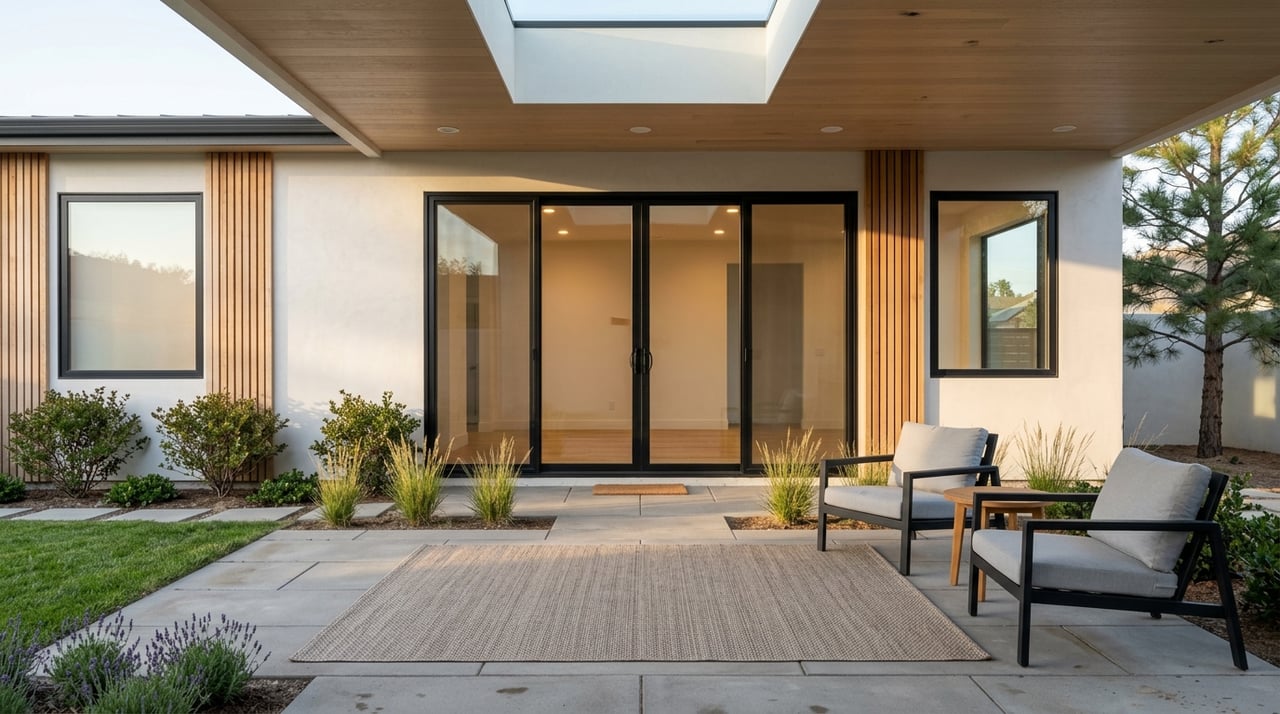
- Newer construction and finishes
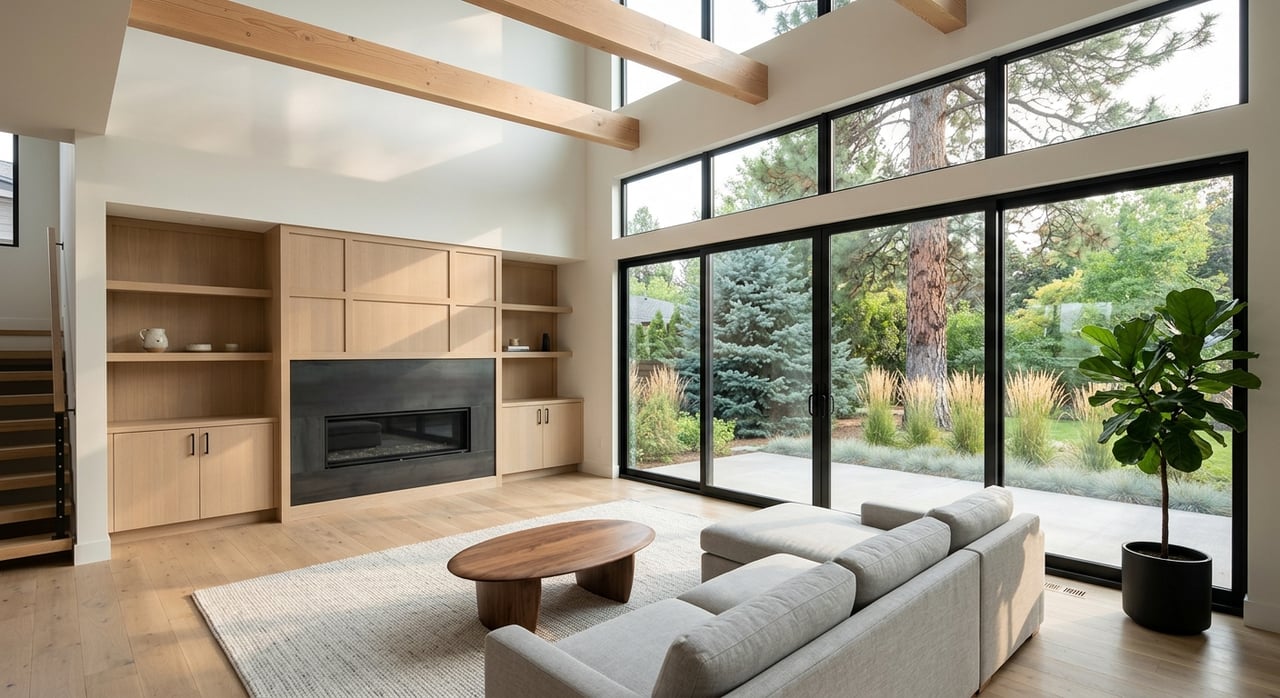
- Open-concept floor plans
- More predictable neighborhood layout
Builder descriptions in Tanterra also support this newer-home appeal. Richmond American emphasizes professionally designed interiors, Lennar highlights modern details and open-concept living areas, and Trumark focuses on architecture and master-planned community design.
Why Newer Neighborhoods Feel More Unified
Parker’s planning framework helps explain the difference. The town updated its Land Development Ordinance in 2024, and its planning division oversees annexations, rezoning, site plans, and subdivision plats.
The town’s design standards are intended to promote quality building design, site layout, open space, and pedestrian and bicycle connections. In practical terms, that often leads to newer neighborhoods with a more connected and coordinated feel.
Older vs. Newer Neighborhoods in Parker
If you are comparing your options, it helps to think less about which is “better” and more about which is a better fit for your priorities.
| Feature | Older Parker Neighborhoods | Newer Parker Neighborhoods |
|---|---|---|
| Overall feel | Established, varied, more individual | Planned, cohesive, more standardized |
| Home style | Often more unique from home to home | Often more builder-driven and design-forward |
| Setting | Mature landscaping, wooded or hillside feel | Structured around parks, trails, and shared spaces |
| Amenities | Mix of parks, trails, HOA features, and private-club access | Centralized amenity packages and community recreation |
| Layout | More site-responsive and less uniform | More predictable streetscape and connectivity |
| Buyer appeal | Privacy, character, and custom feel | Newer systems, modern finishes, and community features |
This is not a rulebook for every neighborhood or home. It is simply a practical way to frame the tradeoffs many Parker buyers are weighing.
How Lot Size and Setting Can Differ
One of the most noticeable differences can be the way land is used. In older areas like The Pinery and nearby custom enclaves such as Timbers at the Pinery, the appeal may include larger or less uniform homesites, open space, wildlife, trails, and mountain views.
That does not mean every older home has a large lot, and it does not mean newer homes are always on smaller sites. It does mean that older neighborhoods in Parker are often where buyers start if they want more variation in lot size, a less cookie-cutter feel, or a setting shaped more by natural terrain.
How Maintenance and Updates Fit In
For many buyers, this is where the conversation becomes personal. Newer communities may feel lower-effort because the homes and amenities are newer. Older areas may offer more character and lot variety, but they can also involve more owner decisions about updates and exterior upkeep.
That is not necessarily a downside. Some buyers love the chance to personalize an established home, while others would rather move into a home with newer finishes and systems from day one.
A Quick Note About Recreation Near Rueter-Hess
If you are touring newer development near Rueter-Hess Reservoir, it is important to understand what that location means today. The Town of Parker says the reservoir is not currently open to the general public except for approved organized programs and events.
So while it can still be a meaningful nearby recreation and open-space asset, it should not be described as broad public lake access. That distinction matters when you are comparing neighborhoods based on lifestyle expectations.
Which Type of Parker Neighborhood Fits You Best?
If you want mature trees, privacy, and a more custom or established feel, older Parker neighborhoods may deserve a closer look. If you want newer construction, shared amenities, and a more connected master-planned layout, newer communities may line up better with your goals.
In many cases, your best choice comes down to what matters most in your everyday life. Do you picture yourself in a neighborhood with more variation and history, or one with newer amenities and a more predictable layout?
In Parker, older neighborhoods tend to trade on space, maturity, and individuality. Newer neighborhoods tend to trade on planning, amenities, and newer construction.
If you are weighing those options and want local guidance that goes beyond the listing photos, the Billy Van Heusen Team can help you compare Parker neighborhoods with a practical, street-level perspective.
FAQs
What is the main difference between older and newer neighborhoods in Parker?
- Older neighborhoods in Parker often feel more established, varied, and terrain-driven, while newer neighborhoods usually feel more planned, connected, and amenity-focused.
Which older Parker neighborhood is a good example to study?
- The Pinery is a useful example because development began in 1971, and the area is known for unique homes, mature surroundings, HOA governance, parks, and trail access.
Which newer Parker neighborhood reflects current master-planned design?
- Tanterra is a strong example of a newer Parker community with planned open space, parks, trails, and shared amenities like a clubhouse, pool, playground, and sports courts.
Are older Parker neighborhoods always larger or more private?
- Not always. Older neighborhoods often offer more variation in lot size and setting, but each subdivision and property can differ.
Do newer Parker neighborhoods always have better amenities?
- Not necessarily. Newer neighborhoods often have centralized amenity packages, while older areas may offer a different mix of parks, trails, HOA spaces, and optional private-club access.
Is Rueter-Hess Reservoir open for public recreation near newer Parker neighborhoods?
- The Town of Parker says Rueter-Hess Reservoir is not currently open to the general public except for approved organized programs and events.