
Relocating for a Denver tech role and trying to pick the right south‑metro suburb? You are not alone. The DTC area draws talent from all over, and each nearby town offers a different balance of commute, space, and day‑to‑day convenience. In this guide, you will learn how Parker, Highlands Ranch, Lone Tree, Greenwood Village, and Castle Rock compare for daily drives to the Denver Tech Center and trips to DIA, plus what the lifestyle feels like in each. Let’s dive in.
South‑metro layout at a glance
The south‑metro suburbs run along I‑25 with eastward growth along Parker Road. The DTC sits in Greenwood Village and nearby Centennial, which makes it central for many south‑metro commutes. Denver International Airport is northeast of the city, so you will either cross central Denver or use the E‑470 toll belt to reach it. This layout shapes your tradeoffs: closer to DTC often means higher cost and shorter commutes, while farther out usually means more space and longer drives.
Commute to the DTC: what to expect
Traffic can stack up near the DTC and at major interchanges. Typical ranges below reflect normal conditions and can stretch during peak periods. Always test your route during rush hour before you commit to a lease or purchase.
Greenwood Village
- Distance to DTC: adjacent or inside the district.
- Typical drive: about 5 to 15 minutes, with some neighborhoods walkable or bike‑friendly to office parks.
- Transit: Light rail and RTD bus routes serve the area with stations near major campuses.
Lone Tree
- Distance to DTC: about 5 to 15 miles.
- Typical drive: about 10 to 25 minutes.
- Transit: RTD light rail runs into Lone Tree along the Southeast/RidgeGate corridor with Park‑n‑Ride options.
Highlands Ranch
- Distance to DTC: about 10 to 20 miles.
- Typical drive: about 15 to 30 minutes.
- Transit: RTD bus service is available. Many residents drive to nearby rail or Park‑n‑Ride locations.
Parker
- Distance to DTC: about 20 to 30 miles.
- Typical drive: about 25 to 45 minutes, longer with I‑25 congestion.
- Transit: Regional and RTD bus options exist, though service is less frequent than closer suburbs.
Castle Rock
- Distance to DTC: about 25 to 40 miles.
- Typical drive: about 30 to 55 minutes.
- Transit: Primarily car‑dependent with limited regional or express bus service.
DIA access from the south‑metro
None of these towns sit close to DIA. Expect similar airport drive times from Greenwood Village, Lone Tree, and Highlands Ranch, with Parker and Castle Rock generally longer. You can use I‑25 to I‑70 or bypass central Denver using E‑470, which is faster in many cases but tolled.
- Greenwood Village and Lone Tree: about 35 to 55 minutes to DIA, depending on time of day and route.
- Highlands Ranch: about 35 to 55 minutes, often quicker via E‑470.
- Parker: about 40 to 65 minutes, commonly faster using E‑470.
- Castle Rock: about 50 to 75 minutes; E‑470 can help, though distance is greater.
Tip: Early flights, weather, and peak congestion can add 15 to 40 minutes. Build in a buffer and consider toll budgets if you travel often.
Transit and car‑light options
- Light rail: Lone Tree and Greenwood Village are served by RTD light rail in the Southeast corridor, which connects to downtown Denver. If you plan to use transit regularly, living near a station or Park‑n‑Ride is a plus.
- Park‑n‑Ride and express buses: Several south‑metro sites offer commuter express bus service to the DTC and downtown. Frequency and parking capacity vary by location.
- Ride‑share and last‑mile: Uber and Lyft are widely available, with shorter waits in Greenwood Village and Lone Tree. Expect longer waits in Parker and Castle Rock, especially late at night or early morning.
Always confirm current schedules and service changes if transit is central to your plan.
Lifestyle and neighborhood feel by town
Each community offers parks, trails, and access to the Front Range. The difference is in scale, density, and the type of recreation at your doorstep.
Greenwood Village / DTC
- Character: A mix of corporate campuses, office parks, and upscale residential pockets. Many residents work nearby.
- Parks and trails: Local parks and urban greenways, including routes along Cherry Creek.
- Amenities: Dense cluster of employers, restaurants, medical services, and short internal commutes.
Lone Tree
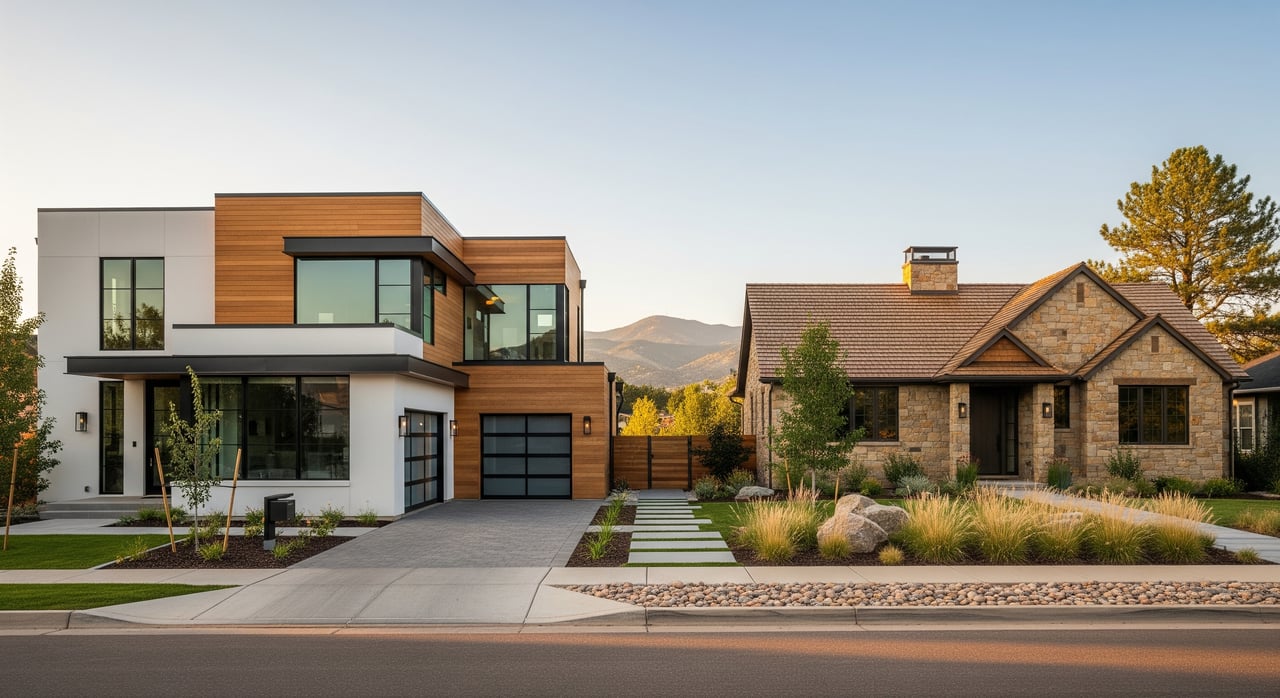
- Character: Newer mixed‑use areas with higher density near rail and shopping, plus single‑family neighborhoods.
- Parks and trails: City parks, trail connections, and greenways in master‑planned areas like RidgeGate.
- Amenities: Park Meadows Mall, cultural venues, dining, and services close to home.
Highlands Ranch
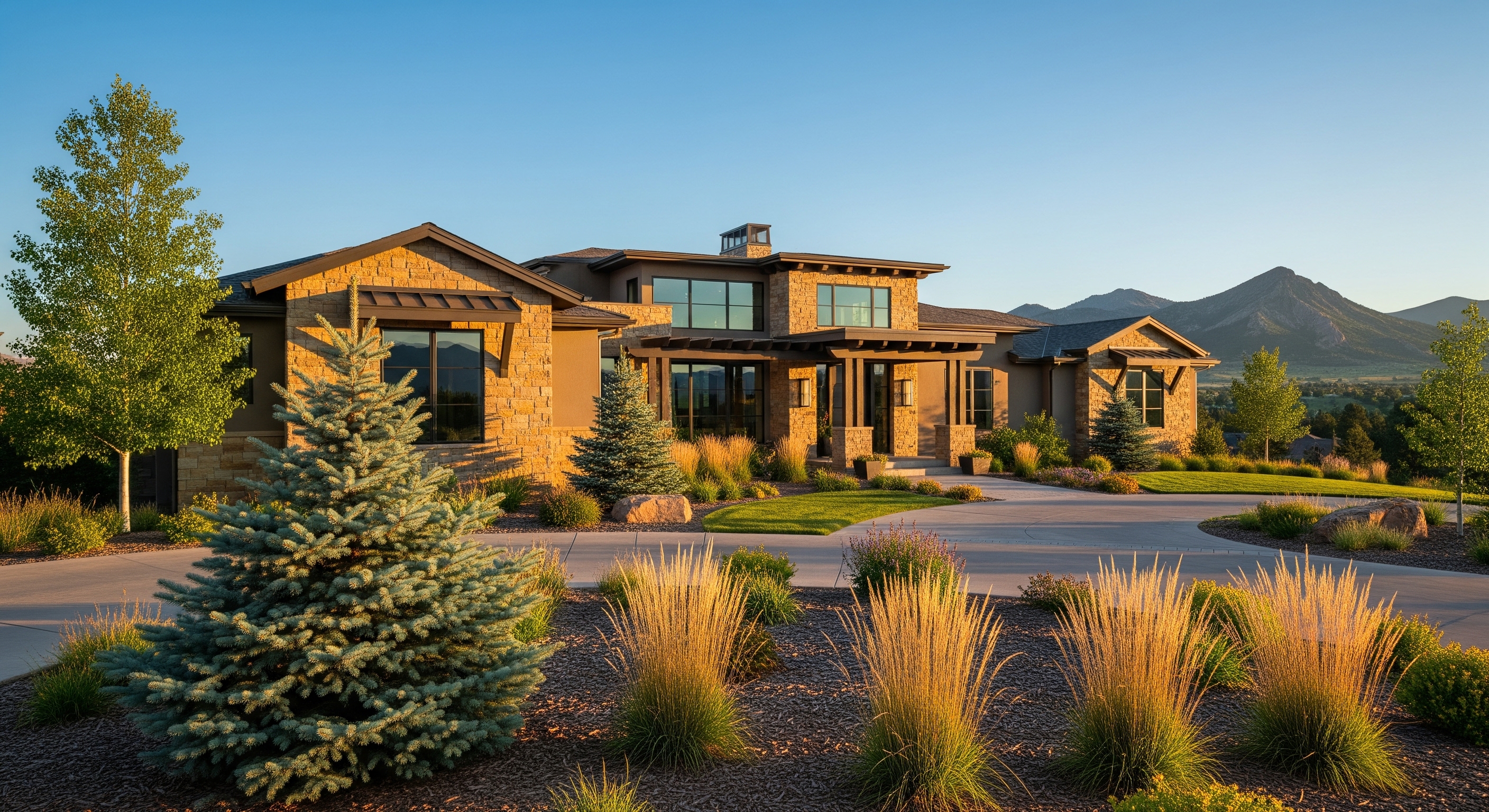
- Character: Large master‑planned community with built‑in amenities and a range of housing types.
- Parks and trails: Extensive internal trail network, community centers, and sports fields.
- Amenities: Many daily needs met within neighborhood retail centers.
Parker
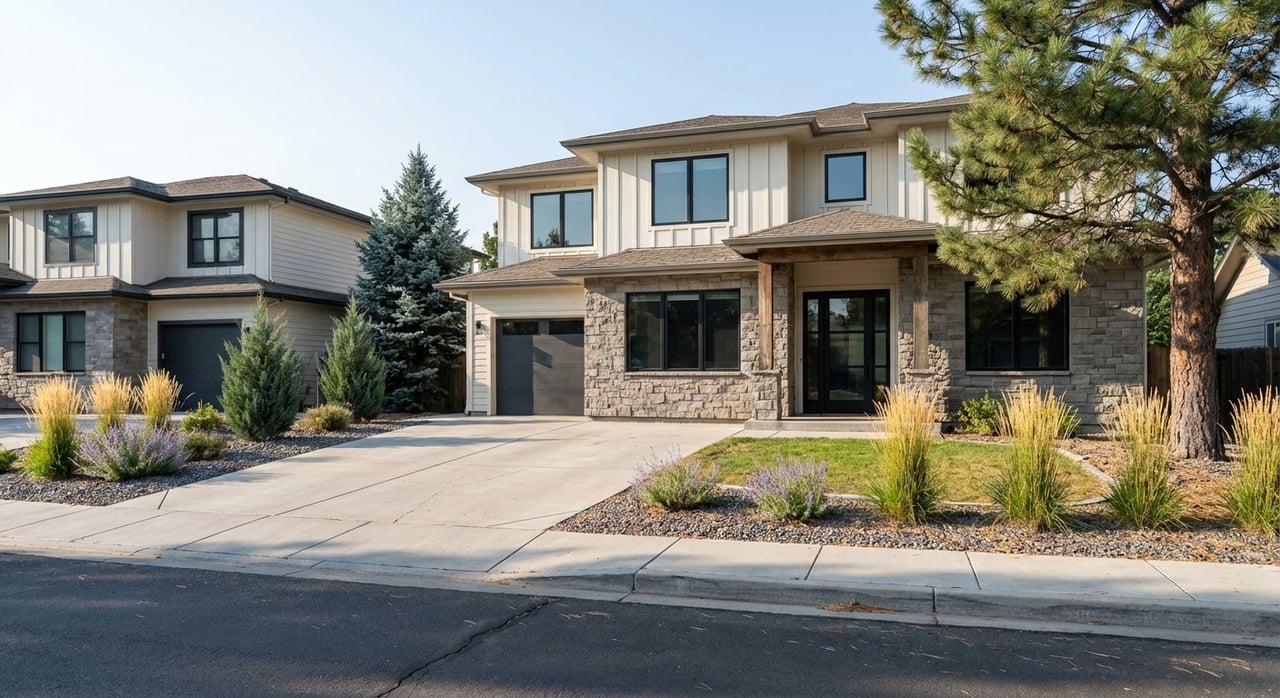
- Character: Suburban to exurban feel with a historic downtown and newer subdivisions. Larger lots common near the edges.
- Parks and trails: Local trail networks and regional access, with Cherry Creek State Park to the northwest for paddling, trails, and camping.
- Amenities: Growing dining and retail in historic downtown and newer commercial nodes.
Castle Rock
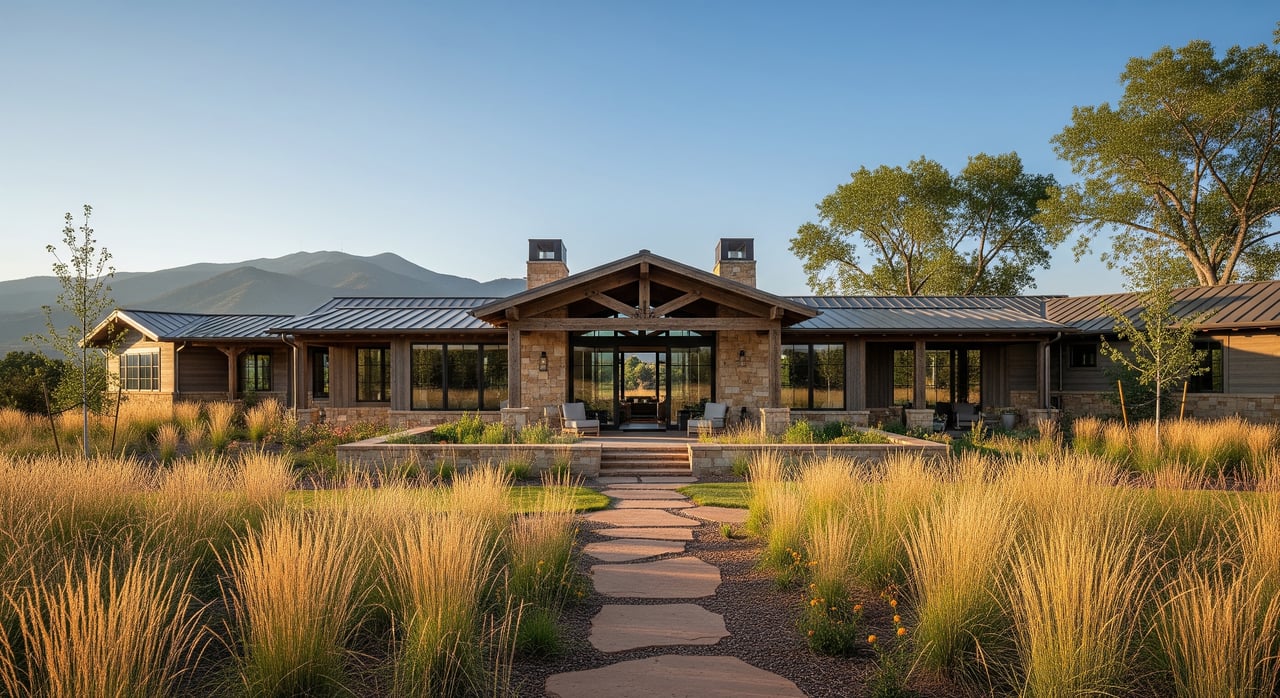
- Character: Exurban town with a historic core, planned communities, and larger lots farther south.
- Parks and trails: Strong access to regional open space, rock formations, and foothill viewpoints.
- Amenities: Local retail clusters and an outdoor activity focus, farther from major regional malls.
Which town fits your priorities
Use these quick matches to narrow your search:
- Choose Greenwood Village if you want the shortest DTC commute and easy access to rail, restaurants, and services.
- Choose Lone Tree if you like mixed‑use convenience, light rail access, and a range of housing types near shopping and dining.
- Choose Highlands Ranch if you want a balanced commute, strong internal trail networks, and master‑planned amenities.
- Choose Parker if you value more space and a suburban feel, and you are comfortable with a longer drive to the DTC and DIA.
- Choose Castle Rock if you want an exurban pace, bigger lot options, and strong regional open space access, with the tradeoff of longer commutes.
Relocation checklist for DTC workers
- Test your commute during peak hours on your exact route. Try both AM and PM.
- Plan your DIA route and toll approach. Decide if E‑470 fits your routine and budget.
- Map transit access if you plan to use rail or express buses. Target homes near stations or Park‑n‑Ride.
- Build time buffers into your schedule, especially if your job requires hard start times.
- Match your recreation style with the right town. Urban trail networks and local parks differ from larger regional park access.
- Confirm employer flexibility for hybrid or remote days. Fewer peak drives can widen your location options.
Real‑world commute tips
- Expect peak windows to add 15 to 40 minutes on I‑25, C‑470, and Parker Road.
- Keep alternate routes handy for incidents. I‑225 to I‑70 can help with airport trips.
- Park‑n‑Ride can reduce stress on heavy traffic days. Arrive early for parking.
- Ride‑share wait times increase with distance from major hubs. Plan ahead in Parker and Castle Rock.
- Use mapping tools and your employer’s commute resources for live updates.
Finding your fit with local guidance
If you are relocating for a tech job, the right south‑metro choice comes down to how you weigh commute, space, and lifestyle. Greenwood Village and Lone Tree put you close to the DTC and transit. Highlands Ranch offers a balanced, planned environment. Parker and Castle Rock trade a longer drive for more room and regional open space.
A local adviser can help you test routes, compare neighborhoods, and line up the right property at the right time. When you are ready to explore on your timeline, the Billy Van Heusen Team is here to guide you with concierge‑level relocation support and deep south‑metro experience.
FAQs
Which south‑metro town has the shortest DTC commute?
- Greenwood Village and Lone Tree typically offer the shortest drives or light rail access to the DTC.
What is the fastest way from the south‑metro to DIA?
- E‑470 is the common faster option from the south suburbs, though it is tolled; I‑25 to I‑70 or I‑225 to I‑70 are alternatives.
Does any town have direct rail to the DTC and downtown?
- Parts of Lone Tree and Greenwood Village are served by RTD light rail that connects into the DTC and downtown Denver.
How much extra time should I budget during rush hour?
- Plan for an extra 15 to 40 minutes during peak periods, depending on corridor and incidents.
Which towns are best if I rely on transit?
- Focus on Lone Tree and Greenwood Village for light rail, or target homes near Park‑n‑Ride and express bus stops in nearby areas.
Where will I find more space and larger lots?
- Parker and Castle Rock tend to offer larger lot options and a more suburban or exurban feel, with longer commutes as a tradeoff.