Should you build new or buy a resale home in Parker? If you are weighing move timing, warranties, price, and long-term costs, the choice can feel complicated. You want a smooth move-in, a fair price, and clear expectations about what you will pay each year.
This guide breaks down how new construction and resale homes compare in Parker and greater Douglas County. You will learn how timelines, warranty coverage, incentives, metro districts, and negotiation dynamics work here, plus what to ask before you commit. Let’s dive in.
Build timelines and schedule risk in Parker
If you need to move soon, the timeline often decides your path. Inventory or spec homes can sometimes be available right away or within weeks. Quick-build homes generally take about 3 to 6 months from contract to close. Fully custom builds can run 9 to 18 months or more, depending on complexity, permitting, weather, and builder backlog.
Delays happen. Local permitting and inspections, Colorado winter weather, and trade or supply scheduling can all affect delivery. Resale purchases usually follow a standard mortgage timeline, which is often shorter than a full build. For new construction, some buyers use construction-to-permanent loans or take advantage of builder rate buydowns that may be tied to a preferred lender.
How this affects your move
- If speed matters, consider resale or completed inventory.
- If you want customization and can be flexible, new construction can fit, but budget extra time.
- Ask the builder to outline milestones and what happens if completion dates slip.
Warranties and post-closing protections
Many builders use a common “1-2-10” pattern: 1 year for workmanship and materials, 2 years for major systems like HVAC, plumbing, and electrical, and 10 years for structural items. Always review the specific written warranty, since coverage and claim processes vary. Manufacturer warranties may cover appliances, windows, or roofing for defined periods.
On resale homes, you rely on Colorado seller disclosures and your own inspection process. You can negotiate repairs or credits before closing. After closing, protection is limited unless you buy a separate home warranty or extended coverage for systems or appliances.
Even for a new build, a third-party inspection is smart. Consider pre-drywall and final inspections to catch issues early.
Practical steps for peace of mind
- For new builds, get the full written warranty and clarify how to submit claims.
- Schedule independent inspections for both new construction and resale.
- Use your inspection contingency on resale to negotiate repairs or credits.
Pricing and the real cost in Parker
New construction pricing starts with a base price that often excludes lot premiums, structural options, design upgrades, and landscaping. These add-ons can shift the final number. Builders often use incentives like interest-rate buydowns, closing-cost credits, or appliance packages rather than large price cuts, especially in strong markets.
Resale list prices typically reflect the finished home as-is. You may still budget for updates or deferred maintenance. When you compare homes, consider ongoing carrying costs. Both new and resale homes pay county property taxes, and many Parker neighborhoods have HOA dues. In newer developments, metro or special district charges can add to your annual taxes.
How to compare apples to apples
- For new builds, calculate an all-in price: base price, lot premium, options, and expected closing costs minus incentives.
- For resale, include potential repair or update costs.
- For both, include annual property taxes, any metro district levy or fees, HOA dues, and typical utilities and landscaping.
Metro districts in Parker: what to know
Many newer Parker communities use metro or special districts to finance infrastructure such as roads, water and sewer, streetlights, trails, and parks. The district often issues bonds and repays them with a property tax mill levy or other assessments. These charges appear on your property tax bill and may last for decades, depending on the debt structure.
Metro district costs vary by project. Some charge through a mill levy, others through a flat assessment. The structure, remaining bond term, and operations and maintenance needs affect the amount you pay each year.
Because metro district charges can add hundreds to thousands per year, it is important to review them before you sign. Some buyers focus on the mortgage payment and overlook district taxes or fees, which can be a surprise when the first tax bill arrives.
Documents and questions to request
- Service Plan and any engineer’s report for the district.
- Current mill levy or estimated annual assessment for the exact lot or phase.
- Outstanding bond debt and remaining term.
- Recent tax statements for comparable lots from the county treasurer or assessor.
Where to verify details
- Douglas County Assessor and Treasurer offices.
- Town of Parker planning and community development.
- The specific district’s website or board materials.
- Colorado Special District Association and the Colorado Department of Local Affairs for general background.
Negotiation dynamics and buyer leverage
With new construction, base prices may be less flexible, but builders often offer attractive concessions. You might see rate buydowns, closing-cost credits, or discounted options and finishes. Buyers willing to close quickly on existing inventory or flexible on timing sometimes gain more leverage. Incentives may be tied to using the builder’s preferred lender, so compare the net benefit against outside financing.
In resale negotiations, you may have room on price, inspection credits, seller-paid closing costs, or timing. Motivation varies by seller and by days on market. In Colorado, standard contracts generally include inspection, appraisal, and financing contingencies. New-build contracts can limit contingencies or address completion dates and remedies differently, so read them carefully.
Smart strategies in today’s market
- For new builds, compare total incentive value and get all options and allowances in writing.
- For resale, use your inspection contingency to address issues and budget for improvements.
- In both cases, confirm earnest money terms, key dates, and closing flexibility.
Community types around Parker
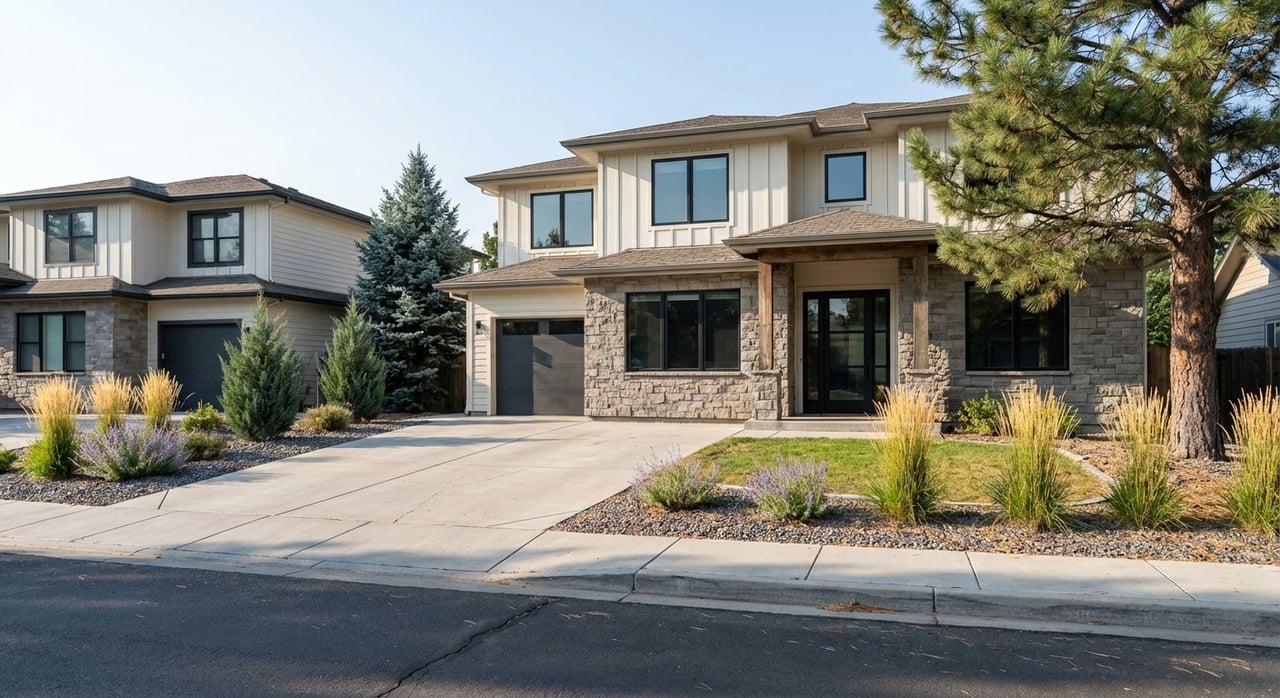
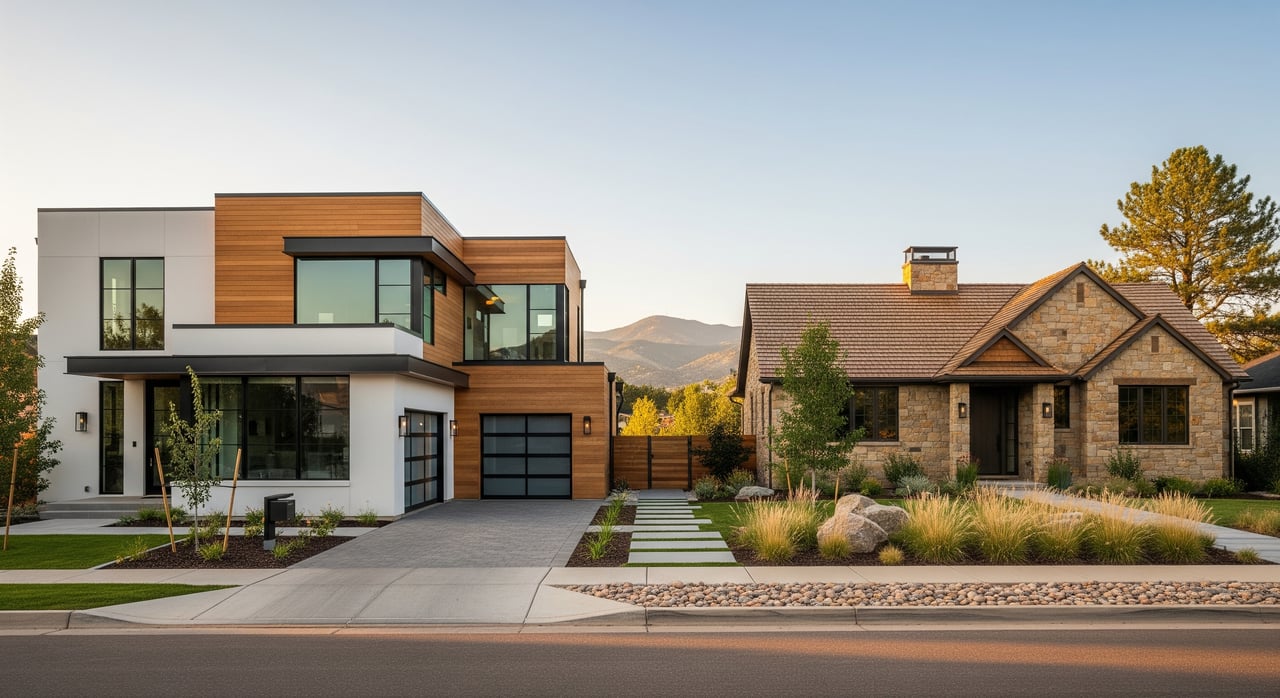
Parker offers a mix of master-planned communities, established neighborhoods, and newer subdivisions. Master-planned areas often feature amenities like parks and trails and may be built in phases that utilize metro districts. Established areas, including golf-course neighborhoods and larger-lot communities, tend to offer mature landscaping and are typically resale-driven. Newer subdivisions and infill developments bring modern floorplans and lower-maintenance designs, sometimes with metro districts and HOA fees.
Illustrative local examples include Stroh Ranch as a large master-planned area with amenities, The Pinery and Stonegate as established neighborhoods, and newer single-family communities on Parker’s outskirts with national builders. Always verify current availability and district status before you decide.
Quick fit guide
- Need to move soon with lower schedule risk: consider resale or existing inventory.
- Want customization and newer systems with lower early maintenance: consider new construction and plan for options and time.
- Want predictable long-term taxes with fewer district charges: consider established resale neighborhoods and review tax history.
- Want amenities and new infrastructure: consider master-planned new construction after reviewing metro district costs.
Document checklist for your purchase
For new construction
- Full builder warranty document.
- Specifications sheet showing what is included versus optional.
- Lot premium and itemized upgrade list.
- Builder’s standard contract with timelines, delay remedies, and lien language.
- Metro or special district Service Plan, current mill levy, and O&M estimates.
- HOA covenants, budget, and any reserve study.
- Utility availability, expected fees, and landscape timing.
- Preferred lender terms and conditions for any incentive.
For resale
- Colorado Seller’s Property Disclosure and other required disclosures.
- Recent utility bills, property tax history, and HOA documents.
- Home inspection report or plan to inspect during your contingency.
- Title commitment, easements, and encumbrances.
For both
- Recent comparable sales from the local MLS.
- Contact info for Douglas County Assessor/Treasurer and Town of Parker planning.
Choosing the right path
Both options work well in Parker, but the best choice depends on your priorities. If you value speed and clarity on total cost, a resale or finished inventory home can keep your timeline tight. If you want customization and a fresh-start home with structured warranty coverage, new construction can be a great fit if you plan for options, incentives, and district charges.
If you want a calm, expert process from search to closing, reach out to the Billy Van Heusen Team. Our family-run team has helped Parker buyers and sellers since 1972 with negotiation, due diligence, and a concierge approach that keeps your move on track.
FAQs
How long does new construction take in Parker?
- Quick-build homes often close in 3 to 6 months, while custom builds can run 9 to 18 months or more depending on permitting, weather, and builder backlog.
What is a metro district in Parker and why does it matter?
- It is a special district that finances infrastructure through taxes or assessments, which appear on your tax bill and can last for decades depending on the bond structure.
How do builder incentives compare to resale concessions?
- Builders often offer rate buydowns, closing-cost credits, or discounted options, while resale sellers may negotiate price, inspection credits, or seller-paid costs.
Do I need a home inspection on a new build in Parker?
- Yes, independent inspections at stages like pre-drywall and final walkthrough help catch issues early even when a builder warranty is in place.
What costs should I include when comparing new vs resale in Parker?
- Include base price, options, lot premiums, incentives, taxes, any metro district charges, HOA dues, utilities, landscaping, and expected repair or update costs.
What contingencies are common in Colorado real estate contracts?
- Standard forms often include inspection, appraisal, and financing contingencies for resale; new-build contracts may limit some terms, so review completion and warranty language closely.