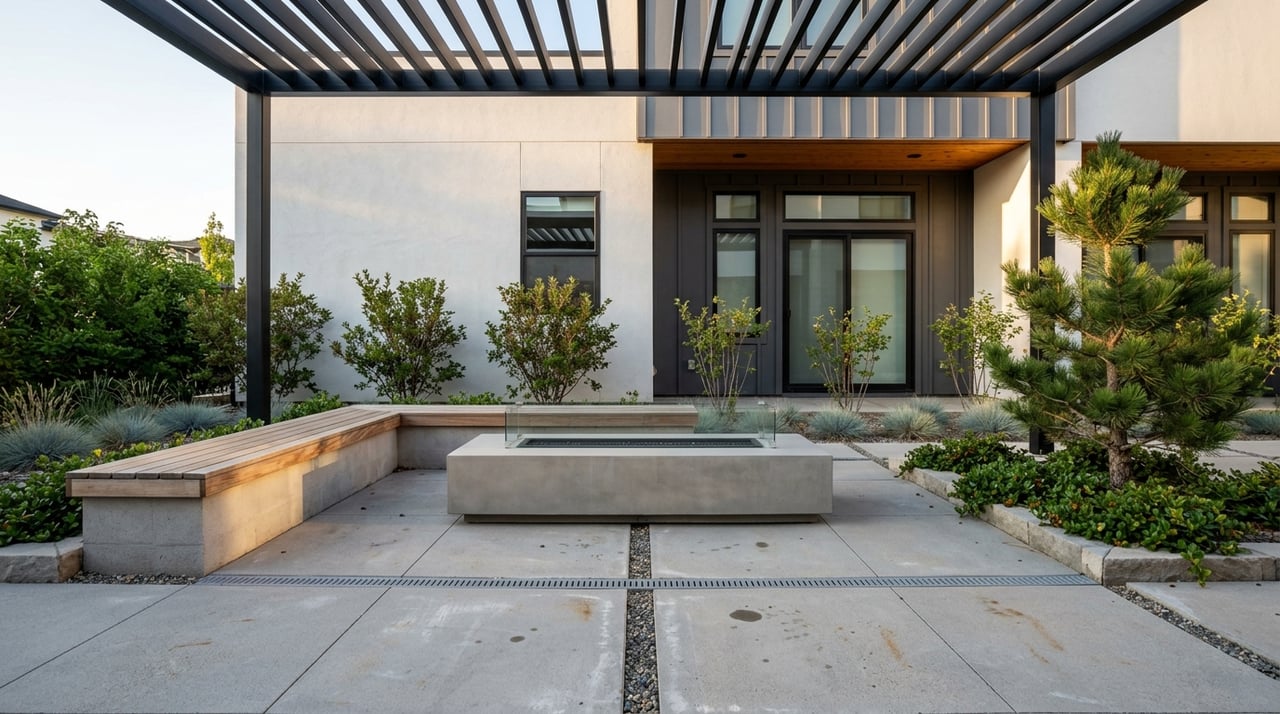
If you want a home that supports travel, busy workweeks, or a simpler routine, lock-and-leave living can sound like the perfect fit. But in Lone Tree and Castle Pines, that phrase can mean very different things depending on the neighborhood, HOA, and metro district setup. This guide will help you understand what lock-and-leave really looks like in these south-metro communities, what to verify before you buy, and which local options stand out. Let’s dive in.
What lock-and-leave means here
In Lone Tree and Castle Pines, lock-and-leave living is usually about reduced exterior responsibility, not just a smaller home or attached floor plan. The real question is who handles the day-to-day tasks you want off your plate, such as common-area upkeep, landscaping, trash, snow-related maintenance, and amenity management.
In Lone Tree, the city notes that private HOAs oversee shared landscaping, common spaces, and guidelines for home improvements and property maintenance in many communities. The city also says some neighborhoods may have an HOA and/or a metro or special district, which means your monthly carrying costs can involve more than one layer.
In Castle Pines, the city’s HOA information is provided as a courtesy and may be incomplete or outdated. That matters because a community may look low-maintenance on the surface, but the details still need to be confirmed directly with the association or manager.
Why HOA details matter
A lock-and-leave lifestyle works best when the monthly fees match the help you actually want. One community may cover common-area landscaping and trash, while another may add vacation monitoring, patrols, or more extensive maintenance support.
Colorado also has meaningful HOA disclosure rules. State guidance says annual HOA disclosures include the current operating budget, a list of regular and special assessments, financial statements, reserve information, and the most recent audit or review.
That gives you a practical way to compare communities beyond the marketing language. If you want fewer household chores and more predictability, those documents can tell you whether the value is really there.
Lone Tree lock-and-leave options
RidgeGate lifestyle
RidgeGate is the clearest example of amenity-rich, low-maintenance living in Lone Tree. The city describes it as a 3,500-acre mixed-use planned development with light rail stations, parks, public plazas, and a future downtown core.
The west side is nearly complete and already includes the Lone Tree Arts Center, Recreation Center, a Douglas County Libraries branch, Bluffs Regional Park, and integrated open space. RidgeGate materials also state that more than one-third of the land area is dedicated to open space, parks, trails, and preserved land.
For buyers, that means the appeal goes beyond the home itself. You may be choosing a lifestyle with nearby public amenities, trail access, and a more connected, urban feel compared with other suburban communities.
Lyric at RidgeGate
Lyric at RidgeGate is one of the strongest Lone Tree examples for buyers seeking attached-home and patio-home options. According to RidgeGate materials, the neighborhood will include more than 1,800 homes, with condos and townhomes alongside single-family detached plans.
The community materials also describe a restaurant, welcome center, parks, and trail-connected neighborhoods. If you like the idea of newer housing choices with access to the broader RidgeGate amenity mix, Lyric deserves a close look.
That said, buyers should remember that RidgeGate East is still developing. If your goal is immediate access to a fully built-out environment, it is smart to compare what exists today versus what is planned for future phases.
Lone Tree cost structure
In RidgeGate, association membership can vary by neighborhood. RidgeGate states that its base assessment covers common-area maintenance, the base fee for Lumen fiber data service, insurance on common areas, and community management.
Lone Tree also provides free trash and recycling service to all single-family homes, attached and detached, through Waste Connections. That is a useful local detail because it can affect how you compare recurring costs with communities in Castle Pines.
The key takeaway is simple: Lone Tree lock-and-leave living may still come with multiple layers of fees or governance, especially if an HOA and metro district both apply. You will want to look at the total monthly picture, not just one dues line item.
Castle Pines lock-and-leave options
The Canyons overview
The Canyons is Castle Pines’ most direct example of a newer lock-and-leave style community. The city says the annexation area is zoned for up to 5,000 residential units, along with 1,280 acres of open space, 316 acres of parks, mixed-use commercial space, and other civic uses.
The 2025 community fact sheet says homeowner assessments are $171.25 per month per household. That total is split between a $141.25 HOA fee and a $30 metro district fee.
The fact sheet states that the HOA covers amenities, trash and recycling, and community engagement. It also says the metro district fee covers parks, trails, fencing, landscaping, and open-space maintenance.
The Canyons amenities
Amenities listed by the city include Canyon House, Canyon Village, a resort-style pool, a fitness studio, a coffee house, community park space, and about 15 miles of trails. For buyers who want a newer community with organized amenities and shared maintenance responsibilities, that package is especially appealing.
Still, The Canyons has a large approved buildout ahead. If your priority is a community that feels fully finished today, ask what amenities are complete now and what remains part of future phases.
Castle Pines Village features
Castle Pines Village is another strong fit for lock-and-leave buyers, especially those looking for a private, higher-end setting. The community describes itself as a gated master-planned neighborhood with round-the-clock security, home-vacation monitoring, trash and recycling pickup, common-area maintenance, and snow removal on common streets.
Its recreation amenities include seasonal pools, tennis courts, a fitness center, nearly 12 miles of trails, and two private Jack Nicklaus-designed golf courses. Compared with RidgeGate, the feel here is less urban and transit-connected and more private-community and open-space focused.
For some buyers, that is exactly the draw. If you travel often or want added peace of mind while away, services like patrols and vacation monitoring may carry real value.
How Lone Tree and Castle Pines differ
While both areas can support a lock-and-leave lifestyle, the experience is not identical. Lone Tree often reads as more mixed-use, amenity-connected, and transit-oriented, especially in and around RidgeGate.
Castle Pines tends to lean more toward private-community amenities, open space, and trail-focused living. The city itself manages nearly 60 miles of trails, 122 acres of parks, and more than 1,850 acres of open space, which shapes the overall lifestyle many buyers are seeking.
Neither approach is better for everyone. It comes down to whether you want a more connected urban-suburban mix, a more private retreat feel, or a balance of both.
What to review before you buy
Ask what dues cover
Start with the basics: what does the monthly cost actually include? You should ask whether the community helps reduce the chores and responsibilities you most want to avoid.
A useful checklist includes:
- Landscaping or grounds maintenance
- Trash and recycling
- Snow-related maintenance
- Security or patrol services
- Vacation monitoring
- Common-area insurance
- Internet or utility components included in dues
- Amenity maintenance and access
Confirm HOA and district layers
In this part of Colorado, monthly carrying costs may include more than standard HOA dues. Colorado guidance explains that metropolitan districts are government entities, and communities like The Canyons show how metro district fees can be separate from HOA fees.
That means your true monthly and long-term cost picture may include:
- HOA dues
- Metro district charges
- Property tax impact
- Possible special assessments
Looking at only one fee can give you an incomplete picture.
Review documents carefully
Before closing, ask for the documents that explain how the community really operates. This step is one of the best ways to make sure the lock-and-leave lifestyle you expect is the one you will actually get.
Key items to review include:
- CC&Rs
- Current operating budget
- Regular and special assessments
- Financial statements
- Reserve information
- Most recent audit or review
- Rules on exterior changes and landscaping
- Metro district disclosures, if applicable
Colorado’s HOA guidance supports this approach because owners can request many records, though requests may need to follow the association’s policy and may involve reasonable copy charges.
Who this lifestyle fits best
Lock-and-leave living can be a great match if you travel often, split time between homes, work long hours, or simply want less exterior upkeep. In Lone Tree and Castle Pines, the strongest candidates are usually communities where the published services clearly reduce your maintenance burden.
Based on the available community information, Castle Pines Village and The Canyons are the most explicit examples in Castle Pines. In Lone Tree, RidgeGate and Lyric stand out for buyers who want low-maintenance options tied to a broader mixed-use amenity environment.
The important caveat is that not every neighborhood works the same way. Even within a larger master-planned area, dues, responsibilities, and included services can vary by subdivision.
If you want help comparing Lone Tree and Castle Pines lock-and-leave options, the Billy Van Heusen Team can help you evaluate the real monthly costs, review community structures, and find a home that truly fits how you want to live.
FAQs
What does lock-and-leave living mean in Lone Tree and Castle Pines?
- In these communities, lock-and-leave usually means a home in a neighborhood where an HOA or metro district helps manage exterior upkeep, shared spaces, trash, amenities, or other maintenance-related services.
What should buyers review before purchasing in a Castle Pines or Lone Tree HOA community?
- You should review the CC&Rs, budget, assessments, financial statements, reserve information, latest audit or review, rules on exterior changes and landscaping, and any applicable metro district disclosures.
Does RidgeGate in Lone Tree offer low-maintenance living options?
- Yes. RidgeGate is one of Lone Tree’s clearest low-maintenance lifestyle settings, and Lyric at RidgeGate includes condos, townhomes, and other home types connected to parks, trails, and city amenities.
What do The Canyons fees cover in Castle Pines?
- The city’s 2025 fact sheet says The Canyons has a monthly HOA fee and a separate metro district fee, with the HOA covering amenities, trash and recycling, and community engagement, and the metro district fee covering parks, trails, fencing, landscaping, and open-space maintenance.
Is Castle Pines Village a good fit for frequent travelers?
- It can be, especially for buyers who value services like round-the-clock security, home-vacation monitoring, trash and recycling pickup, common-area maintenance, and snow removal on common streets.