Trying to decide between Highlands Ranch and Littleton? You are not alone. Both offer strong suburban living near Denver with great access to parks, trails, and everyday amenities. This guide breaks down schools, recreation, HOAs, lifestyle, and typical home options so you can match the right area to your priorities. Let’s dive in.
At a glance: size, location, commute
Highlands Ranch is a large, master‑planned community in Douglas County, while Littleton is a smaller, incorporated city centered in Arapahoe County. 2020 Census counts show Highlands Ranch at about 103,444 residents and Littleton at about 45,652, reflecting very different scales of development. Median household income is higher in Highlands Ranch than in Littleton, and average commute times are similar, around 25 minutes. You can review these snapshots on the Census QuickFacts pages for Highlands Ranch and Littleton.
Schools: DCSD vs Littleton Public Schools
If schools are a top factor, start with district boundaries and feeder patterns. Highlands Ranch is served by the Douglas County School District, which includes multiple high schools that serve the community. You can browse current school listings by area on the DCSD schools page.
Littleton is served by Littleton Public Schools within city limits, and families also consider nearby charter and private options. For neutral, up-to-date information and performance data, explore the Colorado Department of Education’s SchoolView page for Littleton Public Schools. Because school boundaries and programs change over time, it is smart to confirm assignments before you write any offer. DCSD has also shared planning updates on enrollment changes; you can review current recommendations on the district’s growth and decline updates page.
Parks and trails: everyday outdoor life
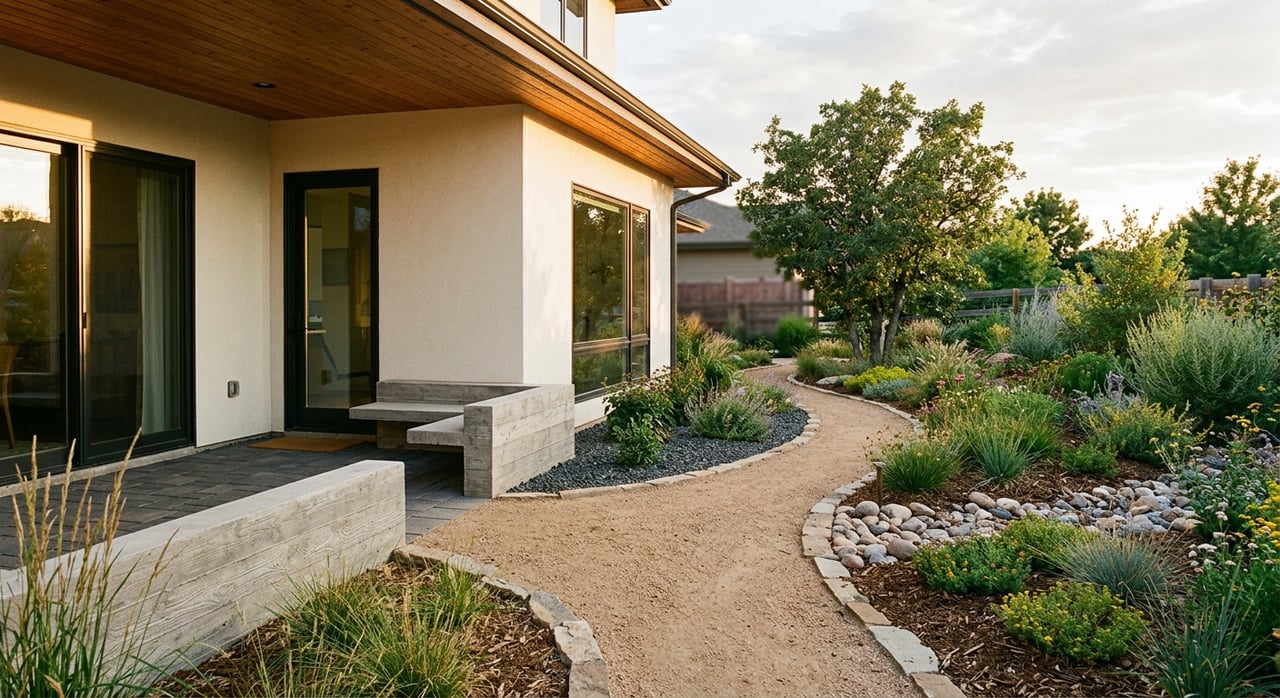
Highlands Ranch was built with open space and neighborhood connectivity in mind. The Metro District manages about 2,644 acres of open space and maintains more than 70 miles of trails across the community, plus a wide network of local parks. You can see trail and open space details on the Metro District’s Open Space and Trails page.
Littleton blends city parks with a robust regional system. The South Suburban Park & Recreation District operates major recreation centers and maintains a large network of trails and open spaces used daily by Littleton residents. South Suburban also manages the Hudson Gardens & Event Center, a roughly 30‑acre site known for gardens, walking paths, and events. Learn more on South Suburban’s About page and the Hudson Gardens site.
HOA, governance, and amenities
Highlands Ranch is unincorporated, so services and amenities come through two key entities. The Highlands Ranch Metro District handles public infrastructure and parks, while the Highlands Ranch Community Association (HRCA) manages community covenants, four recreation centers, events, and the Backcountry programs. You can read an overview on the HRCA About page and review membership and property information on HRCA’s property owners page.
Littleton operates as an incorporated city with traditional municipal services. Regional recreation is delivered by South Suburban Park & Recreation rather than a single citywide HOA. Many Littleton neighborhoods have no HOA or smaller associations, so you will want to verify any subdivision rules and fees on a home-by-home basis.
Homes and market snapshot
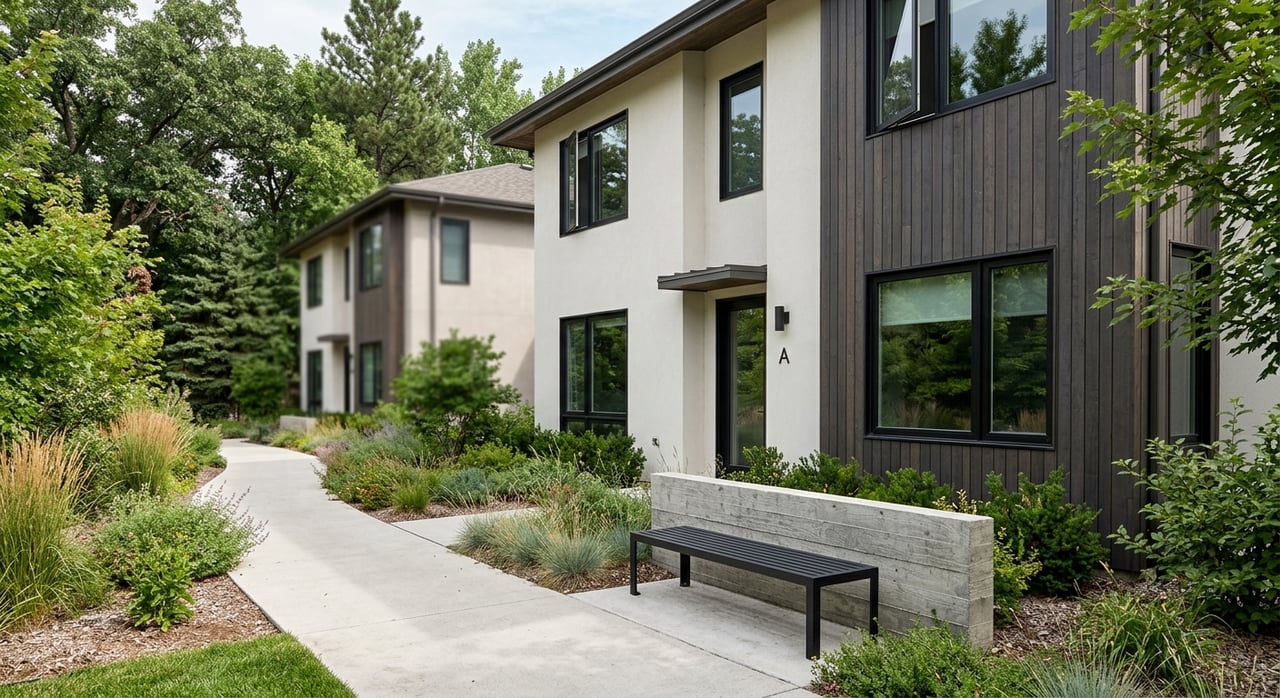
Highlands Ranch features mostly post‑1980 homes, including a wide range of single‑family properties, townhomes, and condos, plus higher‑end gated communities such as BackCountry. Its master‑planned design often means consistent streetscapes, similar lot sizes, and easy access to trails and HRCA recreation centers. You can find community background and amenities on the HRCA About page.
Littleton offers more variety in age and style. Near downtown, you will see older bungalows, ranch homes, and walkable blocks close to Main Street, with mid‑century and newer suburban homes across other parts of the city. Prices in both areas overlap. Recent snapshots often place median sale prices in the mid‑$600k to low‑$700k range, but neighborhood, lot size, school assignment, and HOA obligations can shift value. Always confirm current pricing with live MLS data when you are ready to shop.
Lifestyle and daily feel
Highlands Ranch reads as a planned suburb with a strong emphasis on community programming. HRCA recreation centers, pools, youth activities, and the Backcountry access model are part of the daily rhythm for many households. If you want built‑in amenities, it can feel simple and streamlined.
Littleton centers around a historic Main Street experience and a compact downtown. Independent shops, dining, local arts, and frequent community events create a small‑city vibe that many people enjoy. Hudson Gardens and other regional assets add to the cultural mix.
Commute and access
From Highlands Ranch, drivers commonly use I‑25, C‑470, and E‑470. Neighborhood planning helps many residents reach parks, schools, and errands without long cross‑town drives. In Littleton, some neighborhoods sit close to the Downtown Littleton light‑rail station, which is a plus if you value a rail option into central Denver. Either way, plan your daily route before you buy to make sure it matches your schedule.
Who each area tends to fit
- You want built‑in amenities, consistent neighborhood standards, and robust programming: Highlands Ranch is a strong match, with HRCA membership and multiple rec centers for classes, pools, and events.
- You prefer a walkable downtown core, a traditional Main Street, and a mix of older and newer homes: Littleton’s historic center and its light‑rail access can be a great fit.
- Your budget is flexible within the mid‑$600k to low‑$700k band: both places can work, but expect price differences by neighborhood, lot size, and HOA structure.
Buyer checklist: what to verify
- School boundaries and programs. Start with the DCSD schools page and the CDE SchoolView page for Littleton Public Schools. Review any DCSD updates on growth and decline planning.
- HOA dues and HRCA access. Confirm if a property is part of HRCA, whether there is a sub‑association, and how many recreation cards are available. See HRCA property owner info.
- Parks and trail access. Verify whether features like the HRCA Backcountry have member rules or public access. Check the Metro District’s Open Space and Trails page.
- Commute routes. Test your daily drive near I‑25, C‑470, and E‑470 for Highlands Ranch, or scout rail and arterial routes near Downtown Littleton.
- Taxes and special districts. Ask your agent to review any metro district fees or special assessments that can affect your monthly and annual costs.
How to choose your best fit
Start by ranking what matters most. If you want on‑site amenities and a steady, planned feel, focus your search inside Highlands Ranch. If you want historic character, downtown energy, and a rail option, put Littleton’s core neighborhoods on your list. Then tour homes in both areas during the same week so you can compare how each place feels day to day. A side‑by‑side can make the right choice obvious.
Ready to compare neighborhoods, schools, and HOA details in person? Reach out to the Billy Van Heusen Team for calm, data‑driven guidance and on‑the‑ground expertise across Highlands Ranch and Littleton.
FAQs
What are the biggest differences between Highlands Ranch and Littleton HOAs?
- Highlands Ranch has centralized HRCA membership with recreation centers and community covenants, while many Littleton neighborhoods have no HOA or small subdivision HOAs managed separately.
Which area has more built‑in trails and open space?
- Highlands Ranch was planned with extensive internal open space and more than 70 miles of trails managed by the Metro District, while Littleton relies on city parks and the regional South Suburban network.
How do the school districts differ between the two areas?
- Highlands Ranch is served by Douglas County School District with multiple high schools and choice options, while Littleton is served by Littleton Public Schools; always confirm current boundaries with district resources.
What types of homes are most common in each place?
- Highlands Ranch mostly offers post‑1980 single‑family homes and townhomes with consistent streetscapes, while Littleton ranges from older downtown bungalows to mid‑century and newer suburban homes.
How do typical home prices compare right now?
- Recent snapshots often place both areas in the mid‑$600k to low‑$700k range, but prices vary widely by neighborhood, lot size, school assignment, and HOA obligations; check live MLS data when you shop.
Where can I find details on HRCA membership and amenities?
- See the HRCA overview and property owner resources for covenants, recreation access, and membership rules on HRCA’s official pages.